
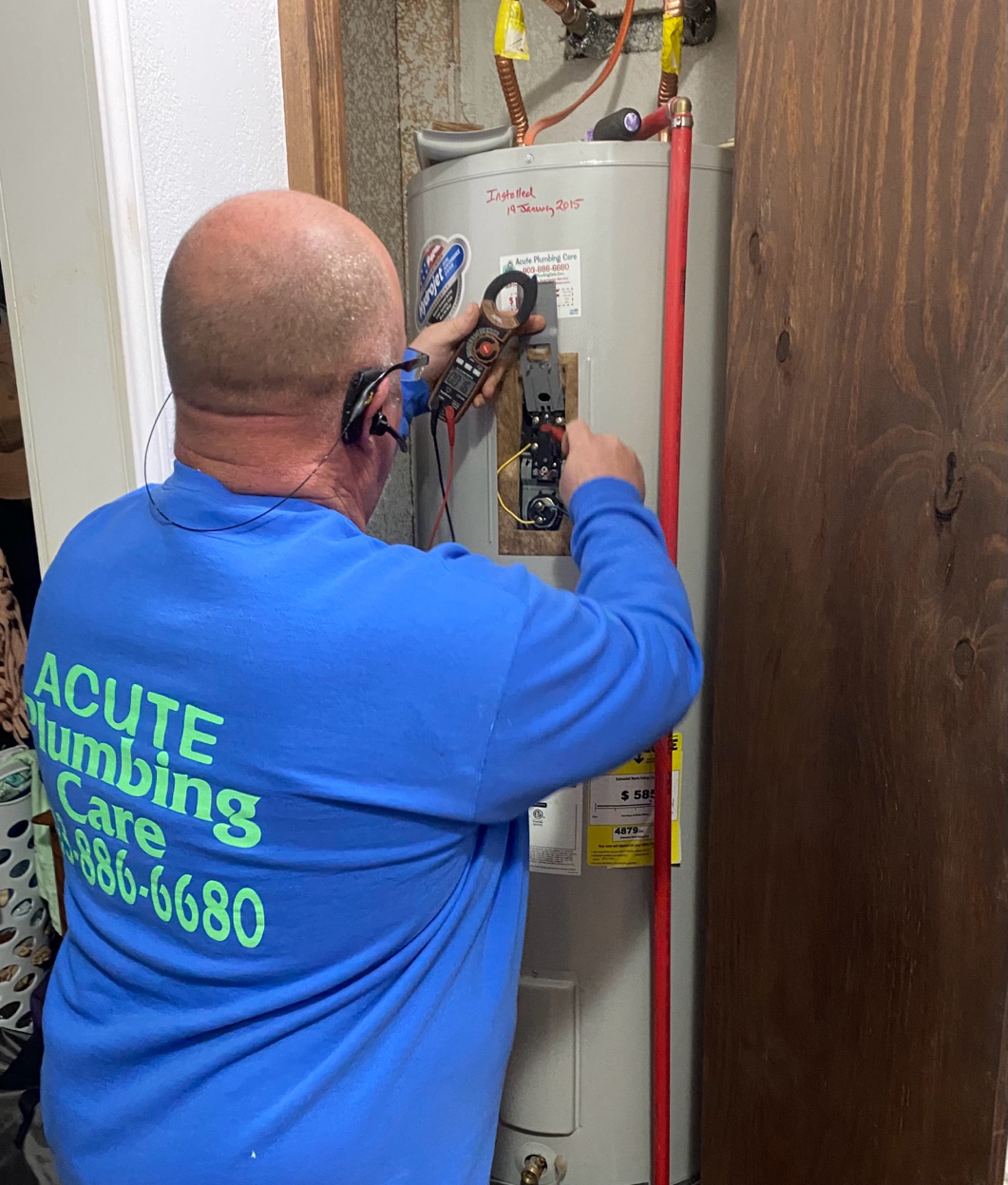
We don’t think much about our water heaters until they stop working. Whether it’s a cold shock in the shower or lukewarm dishwater that never gets hot, losing access to consistent hot water disrupts daily life fast. The truth is, your water heater works hard behind the scenes every day, and like any appliance, it needs regular attention to stay efficient and reliable.
Understanding how your water heater works and keeping up with basic maintenance can go a long way toward avoiding breakdowns, lowering energy costs, and extending the life of your system.
How Water Heaters Work
Most homes use one of two types of water heaters: tank-style or tankless.
- Tank Water Heaters: These heaters store a set amount of water (usually 30 to 80 gallons) and heat it continuously so it’s ready when you need it. The tank refills and reheats water as it’s used, ensuring a reserve is always available.
- Tankless Water Heaters: These heaters don’t store hot water. Instead, they heat water on demand as it flows through the system. This makes them more energy efficient but also dependent on proper sizing to meet household demand.
Whether gas or electric, both systems rely on consistent function (heating elements or burners, thermostats, valves, and pressure relief components) to ensure safe, consistent water temperature.
Recommended: Learn More About Tankless Water Heaters
Why Water Heater Maintenance Matters
A well-maintained water heater runs more efficiently, lasts longer, and gives you fewer surprises. Regular maintenance helps prevent sediment buildup, corrosion, and mechanical failure, all of which can lead to costly repairs or early replacement.
- Sediment Buildup:Over time, minerals in the water settle at the bottom of your tank, forming a layer of sediment. This can cause rumbling noises, reduce efficiency, and even cause overheating that damages the tank lining.
- Corrosion:Rust is the enemy of any metal appliance. The anode rod inside your tank is designed to attract corrosive elements, but it needs to be inspected and replaced periodically to keep the tank protected.
- Inefficient Heating:If your water takes longer to heat or doesn’t stay hot, your system may be struggling with scale buildup or aging components. Maintenance keeps parts working smoothly.
Essential Water Heater Maintenance Tips
- Flush the Tank Annually:Draining a few gallons of water from the tank once a year helps remove sediment. In areas with hard water, flushing more often may be needed.
- Check the Anode Rod:Inspect every 2–3 years, or sooner if your water is discolored or smells metallic. Replacing the rod can dramatically extend your heater’s lifespan.
- Test the Temperature-Pressure Relief Valve (TPR):This safety valve prevents excess pressure buildup. Lift the valve to ensure water flows freely, then snaps shut. If it doesn’t, it needs replacing.
We Keep the Hot Water Flowing

At Acute Plumbing Care, we know that nobody wants to deal with water heater failures, especially when it could’ve been prevented. With over 30 years of experience serving homeowners in Greenville, Sulphur Springs, and the surrounding areas, we’ve seen how regular water heater maintenance keeps homes comfortable and energy-efficient.
Whether you have a tank-style heater or a tankless system, we offer inspections, cleanouts, part replacements, and upgrades with flat-rate pricing and scheduled appointment times you can count on.
Contact us today. We also specialize in clogged drain repair, leak repair, kitchen faucet repair, drain cleaning in Greenville TX, and more.

0 Comments